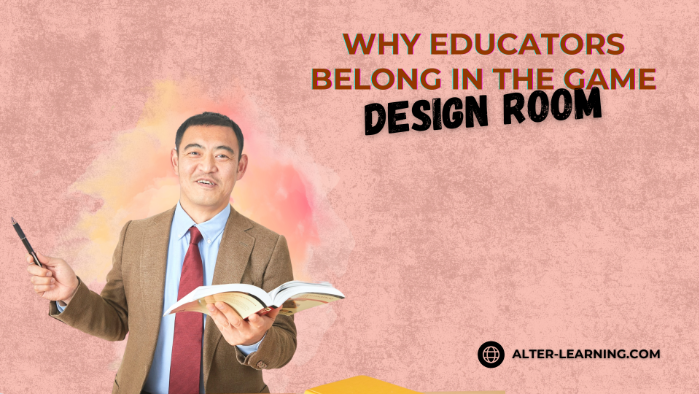
Many educational games are evaluated by teachers—but far fewer are designed with them. At Alter-Learning, educators don’t just weigh in after the fact. They help shape the product from the start. This collaboration can help ensure that each immersive experience supports real classroom needs, aligns with teaching methods, and reflects what actually works for students.
Why Educator Input Matters Early
Game developers understand mechanics, pacing, and engagement. Teachers understand learning, behavior, and classroom dynamics. When those two worlds collaborate from day one, the result can be a better, more relevant product.
Educators involved in game development may:
- Define learning goals based on standards and real student needs,
- Guide narrative design to ensure story elements reflect classroom topics,
- Shape assessment tools that can offer meaningful feedback to teachers,
- Stress-test user flow to ensure accessibility and classroom fit.
This partnership helps ensure that features like interactive VR simulations or AR learning experiences not only work technically—but also work instructionally.
Continuous Feedback, Real-Time Refinement
Rather than waiting for post-launch reviews, immersive education platforms can benefit from an iterative development process. Educators who work alongside developers provide ongoing input, helping teams adjust based on student response, curriculum shifts, or classroom logistics.
Feedback cycles might include:
- Pilot programs with real students and teachers,
- Post-session debriefs to evaluate engagement and clarity,
- Curriculum mapping workshops to verify alignment,
- Accessibility reviews to identify barriers and needed adjustments.
This approach supports continual refinement, making sure that even as games evolve, they stay rooted in what learners actually need.
Many immersive tools now come with educator dashboards—providing real-time insights into student progress, activity completion, and comprehension levels. These tools are often co-designed with teachers to support classroom decision-making, differentiation, and documentation.
Features may include:
- Classroom controls for managing multiplayer experiences,
- Progress monitoring for individual or group achievements,
- Curriculum summaries that show which standards are being addressed,
- Exportable data that integrates with reporting systems or student portfolios.
By working hand-in-hand with educators, platforms like Alter-Learning can help ensure that immersive learning supports not just engagement, but real educational planning.
Games designed for education often miss the mark. Games designed with educators can go further—becoming tools that support curiosity, meet learning goals, and fit seamlessly into real classrooms. When teachers have a seat at the table, the result is more than just a playable product—it’s a partnership that can reshape learning.
Follow Alter-Learning for more insights into immersive education, edtech success stories, and the future of learning. Want to explore how VR/AR could transform your school or learning platform? Let’s connect.