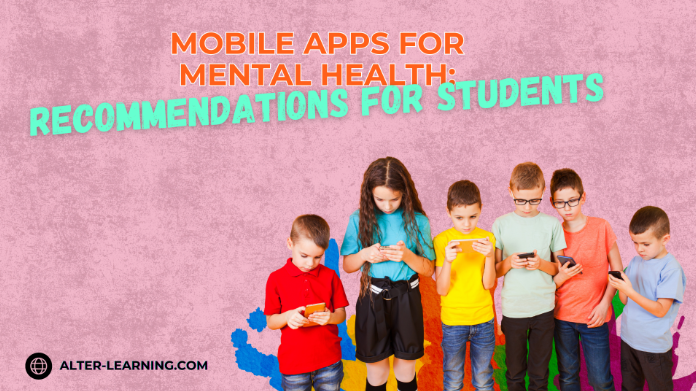
Mental health is a growing concern for students across all grade levels. Stress, anxiety, isolation, and emotional dysregulation can disrupt learning and affect overall well-being. While schools and families continue to play a central role in supporting young people, mobile mental health apps are emerging as accessible, complementary tools – offering strategies, exercises, and emotional check-ins right at students’ fingertips.
But with so many apps on the market, how can educators, counselors, and families find options that actually support student growth and emotional literacy?
By focusing on apps designed with empathy, interactivity, and educational alignment in mind, schools can introduce students to digital tools that reinforce mental wellness – not distract from it.
Why Mental Health Apps Matter for Students
Not all students feel comfortable talking openly about mental health. Mobile apps can offer a private, low-stress entry point into self-awareness, emotional regulation, and mental wellness routines.
Used as part of a larger support plan, these apps can help students:
- Practice mindfulness and stress reduction techniques,
- Learn to name and regulate emotions,
- Access grounding exercises and reflection prompts,
- Track moods and identify patterns over time,
- Explore mental health literacy at their own pace.
The most effective tools are those designed for young users—offering age-appropriate content, visual engagement, and options for personalization or guided reflection.
What to Look for in a Mental Health App for Students
When recommending or integrating apps into student routines, it’s helpful to assess them using a few key criteria:
- Accessibility: Does it work across devices? Is the interface intuitive? Does it offer features for students with visual or cognitive needs?
- Interactivity: Are the features active and engaging, not just passive reading? Does the app provide activities, simulations, or tools for practice?
- Educational alignment: Can it reinforce SEL (social-emotional learning) goals, emotional vocabulary, or school wellness priorities?
- Emotional safety: Does the app encourage healthy self-expression without overwhelming students or requiring disclosure?
Mobile mental health tools should never replace real human support—but they can serve as powerful supplements, especially when students need a moment of calm, reflection, or focus in their day.
Alter-Learning’s Role in Supporting Student Wellness
While Alter-Learning is best known for its STEAM educational games and immersive learning environments, several of its platforms can serve as supportive tools for student mental health—especially when guided by educators, counselors, or families.
Notable examples include:
- The Wellness Center: A playful, safe digital space where students engage in SEL activities, explore their emotions, and build self-confidence. Activities are designed to teach life skills, reinforce positive habits, and encourage emotional resilience in an accessible, game-based format.
- Hybrid Classroom: A collaborative learning environment that helps students stay socially connected during remote learning. With its calm design and intuitive tools, it supports structure and routine—two key elements of emotional regulation.
- Creative and expressive games: Games that allow students to make music, solve problems, or express themselves through design can also promote wellness by giving learners a sense of agency, accomplishment, and calm.
These tools are not marketed as clinical resources—but they can be used within broader SEL frameworks to encourage confidence, creativity, and self-regulation.
A Digital Bridge to Emotional Well-Being
Technology can’t replace a trusted teacher, counselor, or caring adult—but it can support those relationships. By recommending mobile apps and immersive platforms that nurture mental wellness, educators can empower students to understand their feelings, develop coping strategies, and connect more meaningfully with themselves and others.
Alter-Learning contributes to this effort by creating emotionally safe, interactive experiences where students can build confidence, express themselves, and develop critical life skills—all within the comfort of a supportive, playful environment.
Because learning isn’t just academic—it’s emotional. And students who feel better, often learn better.
Follow Alter-Learning for more insights into immersive education, edtech success stories, and the future of learning. Want to explore how VR/AR could transform your school or learning platform? Let’s connect.