In the conversation around educational technology, we often focus on standards, outcomes, and rigor. But beneath all that is a quiet force that can drive deeper engagement and learning: play.
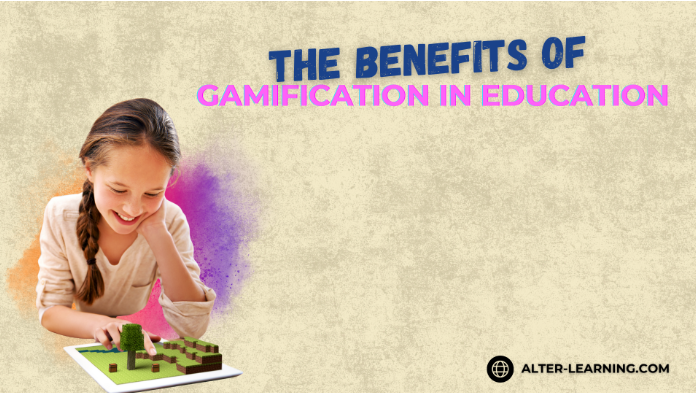
In well-designed interactive STEAM learning environments such as Alter-Learning, play isn’t a distraction – it can be a powerful tool for motivation, exploration, and long-term retention.
Why Motivation Matters
Students learn better when they care about what they’re learning. While extrinsic motivators like grades have their place, they rarely sustain engagement. Play, on the other hand, taps into intrinsic motivation. It makes space for curiosity, choice, and agency – qualities that can make learning more self-driven and sustainable.
Game-based platforms can:
- Offer learners immediate feedback in a low-stakes environment,
- Encourage problem-solving through trial and error,
- Allow students to set goals and measure their own progress,
- Create immersive learning environments that students want to return to.
How Play Supports Deeper Learning
Far from being superficial, game mechanics can reinforce complex cognitive processes. When students navigate 3D geometry puzzles, manage simulated ecosystems, or create digital art, they’re engaging in decision-making, pattern recognition, and iterative learning. These experiences support both surface understanding and deep transfer.
Features that can support deeper engagement include:
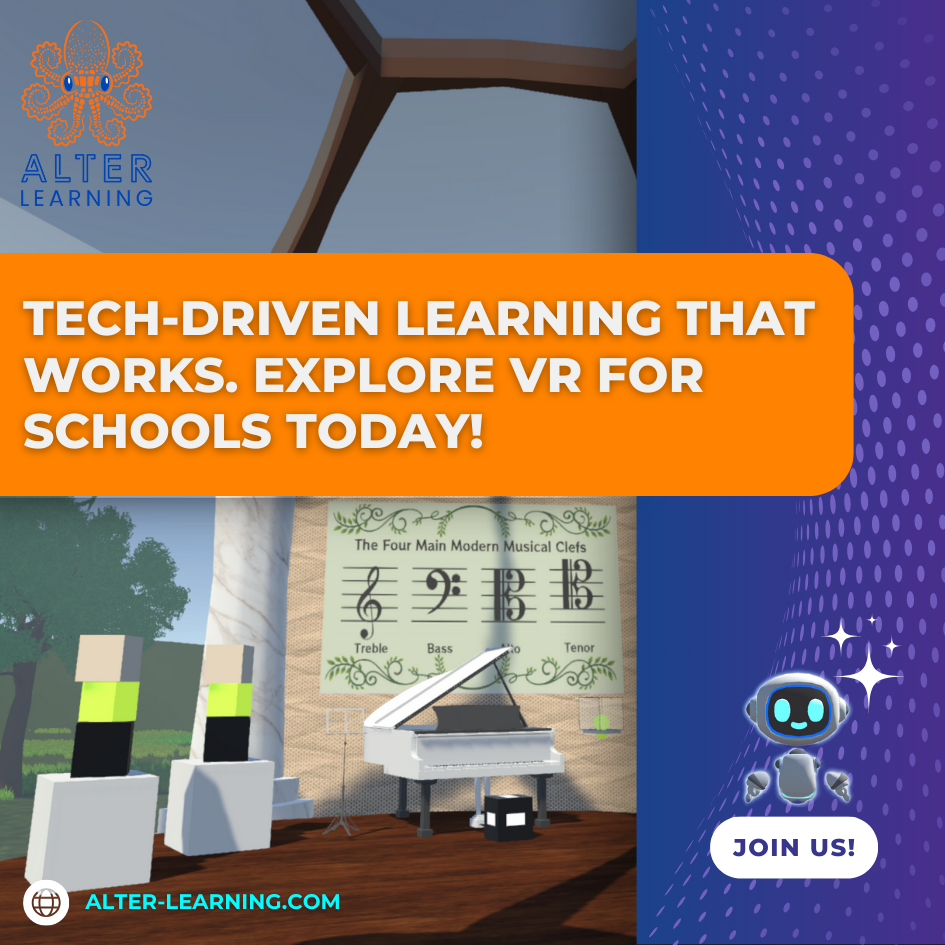
- Interactive VR simulations rooted in real-world logic,
- AR learning experiences that blend physical and digital space,
- Creative arts education software that lets students compose, design, and revise.
By making learning enjoyable, educational games can help learners associate academic subjects with positive emotions – a key predictor of long-term success.
Meeting Learners Where They Are
One often overlooked benefit of play-based learning is accessibility. Students who struggle with traditional instruction may thrive in a playful, interactive setting. For these learners, play is not a reward – it’s the doorway to deeper understanding.
With the right scaffolding, games can help support:
- Executive function,
- Language development,
- Emotional regulation,
- Collaborative problem-solving.
Play has always been how humans learn. The challenge isn’t just making room for it – it’s designing it purposefully. Platforms that incorporate thoughtful, standards-aligned play can help redefine what effective, motivating instruction looks like.
Follow Alter-Learning for more insights into immersive education, edtech success stories, and the future of learning. Want to explore how VR/AR could transform your school or learning platform? Let’s connect.