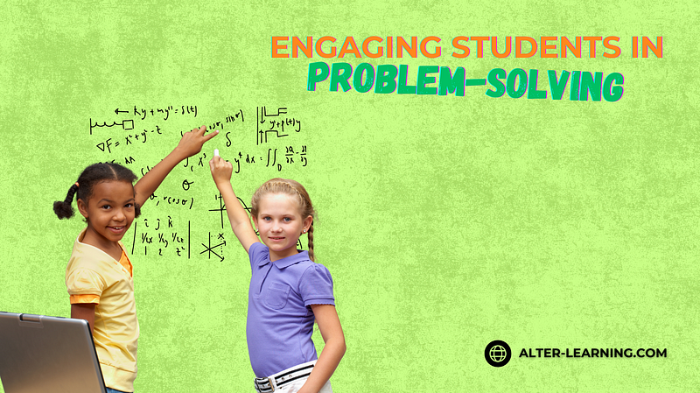
Problem-solving is at the core of learning. Whether tackling a math equation, designing a science experiment, or navigating a group project, students build essential skills when they confront challenges and search for solutions. Yet traditional instruction can sometimes present problem-solving as a rigid process, disconnected from real-world application.
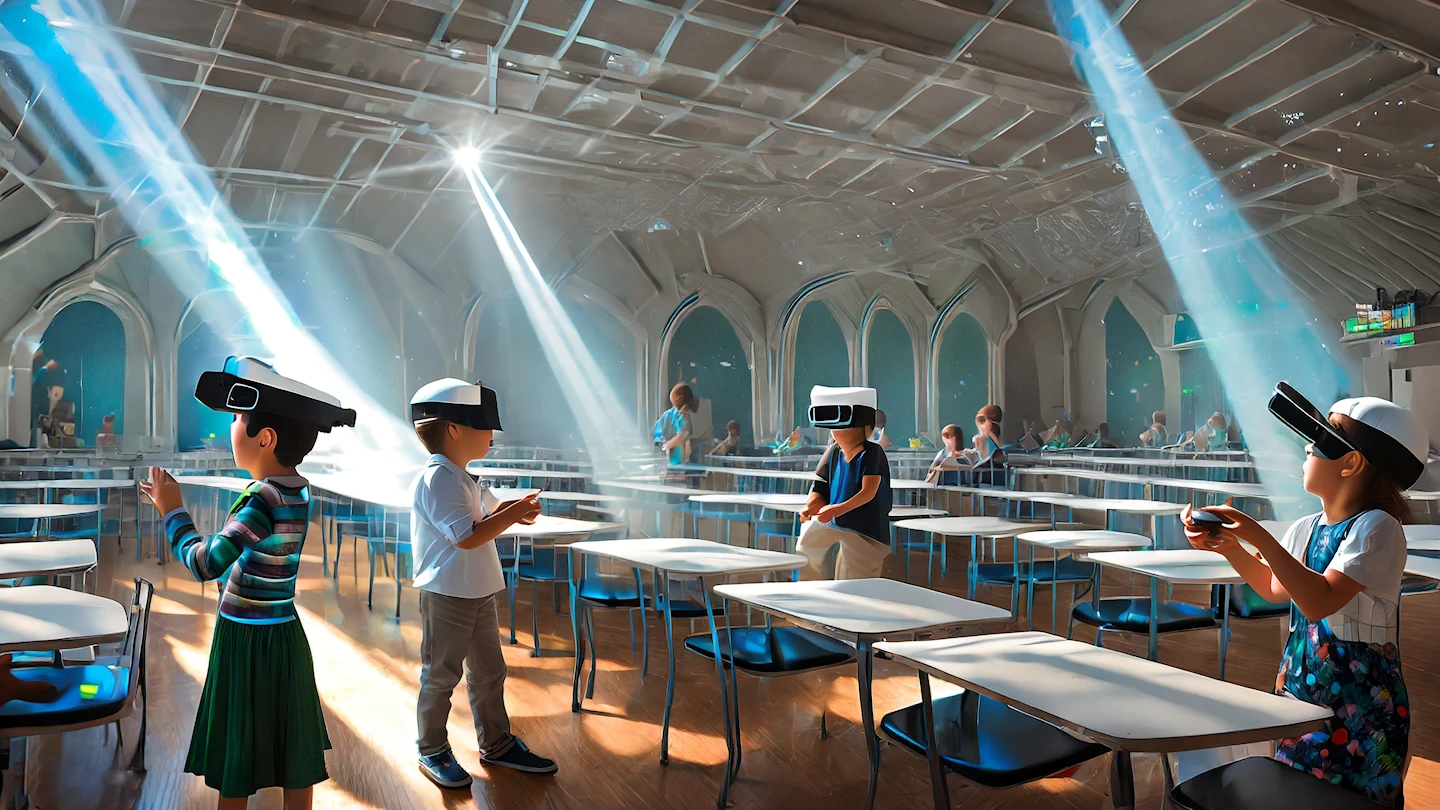
Educational games and immersive technologies can change that. Alter-Learning’s focus on STEAM educational games, interactive simulations, and XR educational content highlights how digital platforms can transform problem-solving into an engaging, interactive experience that fosters creativity, persistence, and collaboration.
Problem-solving is more than just finding the right answer—it is about developing habits of mind that prepare students for life beyond school. Strong problem-solvers can:
- Break down complex challenges into manageable parts,
- Test multiple strategies and learn from mistakes,
- Collaborate with others to find creative solutions,
- Adapt and persevere when initial attempts fail.
These skills are critical not only in academic contexts but also in careers and everyday life.
Game Mechanics That Support Problem-Solving
Educational games can embed problem-solving naturally into gameplay. Features that can encourage this include:
- Math puzzle games that require logical reasoning and pattern recognition,
- Interactive physics simulations where learners test hypotheses and adjust variables,
- Engineering challenges for students that focus on design, iteration, and resource management,
- Digital art creation tools that encourage creativity through experimentation.
By turning problems into engaging missions, games help students view challenges as opportunities rather than obstacles.
Encouraging Persistence Through Play
One of the key elements of problem-solving is resilience—continuing to try even when solutions aren’t immediate. Game-based learning supports this by:
- Allowing safe failure, where mistakes lead to learning rather than penalties,
- Offering checkpoints and retries, encouraging students to try again,
- Providing adaptive difficulty levels, keeping tasks challenging but achievable,
- Rewarding effort and persistence, not just correct answers.
This environment mirrors real-world problem-solving, where trial and error are natural parts of growth.
Problem-Solving Across Disciplines
Problem-solving isn’t confined to one subject—it crosses boundaries. For example:
- In VR coding tutorials, students may debug programs to achieve goals,
- In AR biology explorations, learners make decisions that impact ecosystems,
- In creative arts education software, experimentation helps refine artistic expression,
- In XR educational content, collaborative missions require teamwork and strategic planning.
This interdisciplinary approach helps students see how problem-solving applies everywhere, from science and math to the arts and social studies.
Supporting Teachers in Fostering Problem-Solving
Educators can use Alter-Learning’s tools to create classroom environments that promote problem-solving. Teacher supports such as:
- Curriculum-aligned modules that connect gameplay to academic goals,
- Embedded quizzes that assess problem-solving strategies,
- Dashboards to track student progress,
- Collaborative tasks that encourage group discussions and shared reflection,
make it easier for teachers to integrate problem-solving into daily instruction.
From Play to Practice
When students engage in problem-solving through immersive technology, they are not just memorizing content—they are practicing habits that prepare them for real-world challenges. Alter-Learning’s use of interactive STEAM games, VR education apps, and creative platforms demonstrates how digital tools can make problem-solving exciting, accessible, and deeply impactful.
Because when problem-solving feels like play, students don’t just find answers—they discover their capacity to think critically, collaborate effectively, and persevere in the face of challenges.
Follow Alter-Learning for more insights into immersive education, edtech success stories, and the future of learning. Want to explore how VR/AR could transform your school or learning platform? Let’s connect.