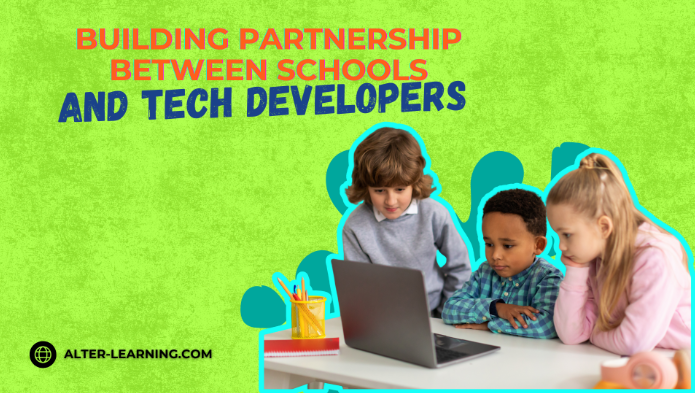
As classrooms become more connected and digital, the collaboration between educators and technology developers is becoming increasingly vital. Schools bring a deep understanding of student needs, curriculum standards, and classroom realities. Developers bring expertise in immersive tools, game mechanics, and user experience. Together, these perspectives can create educational technology that is not only innovative but also meaningful and accessible.
Alter-Learning’s work in interactive STEAM educational games, VR education apps, and XR educational content demonstrates how strong partnerships can shape tools that fit both educational goals and the realities of teaching.
When technology is developed without input from educators, tools may miss the mark. They might be engaging but not aligned with curriculum, or innovative but difficult to implement. Partnerships can help avoid these gaps by:
- Ensuring games support curriculum standards,
- Embedding teacher dashboards and assessments to track learning,
- Designing for accessibility, so students of all backgrounds can participate,
- Building tools that reflect the day-to-day realities of classrooms.
This collaborative approach makes technology not just exciting, but practical and sustainable.
Schools play a critical role in shaping EdTech. Educators and administrators can:
- Share insights about classroom challenges and student needs,
- Provide feedback during pilot programs,
- Suggest ways to align immersive content with lesson plans and pacing,
- Highlight accessibility concerns, such as colorblind modes or low-tech device compatibility.
By voicing their experiences early in the development process, schools can help ensure tools are designed with real users in mind.
Developers bring creative and technical expertise that can expand what’s possible in learning environments. They can:
- Design interactive physics simulations, VR math games, or AR biology explorations that bring lessons to life,
- Build adaptive difficulty settings to meet diverse learning needs,
- Provide data analytics tools that help educators measure progress,
- Create engaging storylines that connect abstract concepts to real-world contexts.
By listening to educators and students, developers can design features that enhance—not replace—the human side of teaching.
Examples of Collaborative Outcomes
When schools and developers work together, powerful outcomes can emerge:
- Curriculum-aligned games that reinforce standards while making learning fun,
- Cross-platform tools that work on tablets, desktops, and VR headsets, ensuring broad access,
- Wellness-focused environments that support social-emotional learning alongside academics,
- Collaborative multiplayer experiences that strengthen teamwork and communication.
These innovations show what’s possible when education and technology unite.
Keys to Building Strong Partnerships
To make these collaborations successful, both schools and developers can:
- Commit to open communication throughout design and testing,
- Embrace iterative development, refining tools based on classroom feedback,
- Prioritize equity and accessibility as core design principles,
- View partnerships as long-term relationships, not one-time projects.
These steps ensure that tools evolve alongside changing classroom needs.
Looking Ahead
The future of EdTech depends on more than technological advances—it depends on collaboration. Schools bring expertise in teaching, learning, and student growth. Developers bring innovation, creativity, and technical skill. Together, they can create immersive educational games, AR learning experiences, and interactive tools that prepare students for the challenges of tomorrow.
Alter-Learning’s work reflects this spirit of partnership, demonstrating how collaboration can lead to platforms that are engaging, inclusive, and effective.
Because when schools and developers work side by side, education doesn’t just keep up with technology—it leads with it.
Follow Alter-Learning for more insights into immersive education, edtech success stories, and the future of learning. Want to explore how VR/AR could transform your school or learning platform? Let’s connect.